
Lantern Crossroads: The 1998 Party RPG That Modern Design Still Has Not Caught Up With
Forty minutes of setup and sixty-two hours of the most respectful quest design we have played. Its reputation is enormous and, unusually, entirely deserved.
Not as memory reports them. Every title is installed on a current machine, made to work, played to the end, and judged on whether the design still holds — with the setup cost stated plainly.
Revisiting a classic is only useful if the process is repeatable. Ours is deliberately narrow.
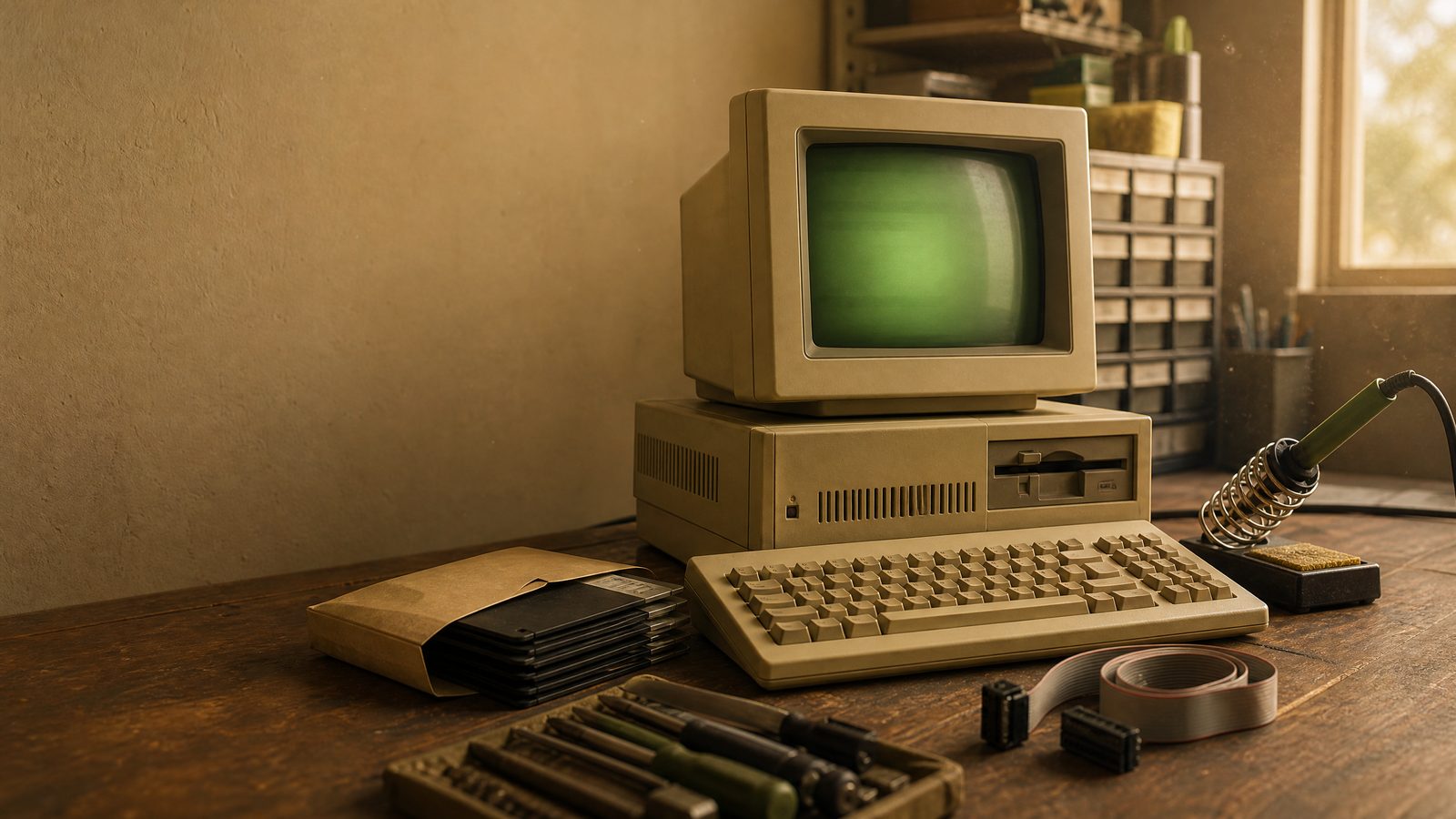
We install from the version most readers can actually obtain and record every step needed to reach a playable state, including the ones that failed. Setup time is published as a number, not an impression.
Not thirty minutes of fond recognition. We finish it, on a modern display, with modern input, and note precisely where the design stops cooperating with current expectations.
Every old game costs something to play now. The grade is that trade stated openly: what you get, and what you must tolerate to get it.
Almost all writing about older games is written from memory, and memory is a highlight reel. It keeps the moment a puzzle clicked and quietly deletes the two hours of clicking every object against every other object that preceded it. The result is a canon that nobody has checked in twenty years.
So we check. We install the thing, we play it to the end on the hardware people currently own, and we write down what actually happened. Sometimes the reputation holds up completely. Reasonably often it does not, and occasionally a game everybody dismissed turns out to be the most interesting title on the shelf.
Each entry lists the year, the setup time it demanded and the grade it earned as a game to play now.
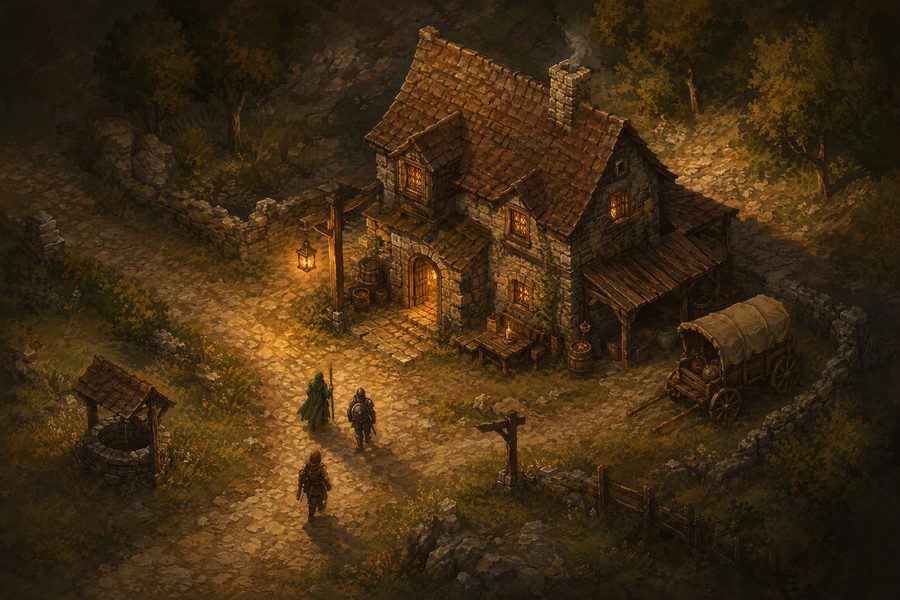
Forty minutes of setup and sixty-two hours of the most respectful quest design we have played. Its reputation is enormous and, unusually, entirely deserved.
Everybody remembers the trading. Nobody remembers the ninety-second load between systems, which we timed four hundred times so you would not have to.
Beautiful hand-painted rooms and two puzzles so arbitrary that we are confident nobody solved them in 1995 without help either. The art is a treasure; the design is not.
No automap, no quest log, no mercy. We mapped ninety-one levels by hand over five weeks and came away convinced this is a better game than most of its descendants.
Historically fascinating and mechanically exhausting. Unit selection alone cost us an estimated four hours of the twenty-nine-hour campaign, and we counted.
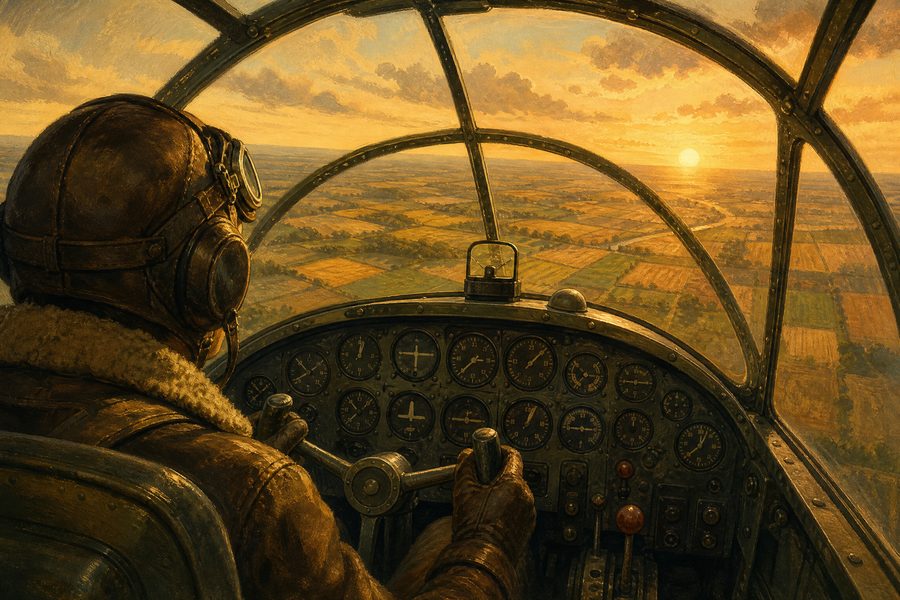
Because it modelled feel rather than fidelity, almost nothing about it has dated. Thirty years on it is still the most pleasant thing we have flown at a desk.
Not how important a game was, not how it felt at the time. Only this: is it worth playing now, given everything it will ask of you first?
The published setup times are the most practical thing on this site. I have a limited number of free evenings and knowing one game needs five hours of fiddling before it starts is genuinely useful information.
I appreciate that you finish them. Everybody else writes a thousand words about the first level of a classic and calls it a retrospective, and it tells me nothing about hour thirty.
Your piece on the adventure game confirmed something I had been embarrassed about for twenty years. Those puzzles were not fair and it was not just me.